Founded in 1987, Liming Heavy Industry specializes in the production of stationary crushers in medium and large models, mobile crushing plants, and ball mills. With over 30 years of technical experience, the company adopts advanced production technologies from the United States, Germany, Australia, and other countries. The company's professionalism and product quality are comparable to well-known international brands in the industry.
Used Jaw Crusher Inspection: What to Check Before You Buy
September 17th 2025
Buying a used jaw crusher can be a smart and cost-effective way to add a powerful piece of crushing equipment to your operation. However, the potential for a great deal comes with the risk of inheriting hidden problems and costly repairs. A thorough inspection is non-negotiable.
To help you make a smart investment, here is an essential inspection checklist of the most critical parts to examine before you finalize your purchase.
1. The Core Wear Parts
These parts are designed to be replaced, but their current condition tells you a lot about the machine’s usage and maintenance history.
Jaw Plates: These are the most visible wear parts. Look closely at the teeth on both the fixed and movable jaw plates. Are they worn evenly? Are the teeth still pronounced, or are they worn down and smooth? Deep grooves or uneven wear can indicate a misalignment issue that will lead to future problems.
Toggle Plate & Pitman: The toggle plate is a crucial part that protects the machine from uncrushable objects. Inspect it for signs of cracking or excessive wear. Also, examine the pitman (the swinging jaw) for any signs of welding or major structural damage, as this could indicate a previous failure.
jaw crusher
2. The Heart of the Crusher: Bearings and Flywheels
The internal components are the most expensive to repair. A thorough check here can save you from a catastrophic financial mistake.
Main Shaft and Bearings: This is the most critical component to inspect. Ask the seller for maintenance records. If the machine is operational, listen for any unusual grinding, squeaking, or knocking noises. Feel the bearing housings for excessive heat. Any sign of play or wobble in the main shaft is a major red flag and a reason to walk away. Main shaft bearing failure is the single most costly repair on a jaw crusher.
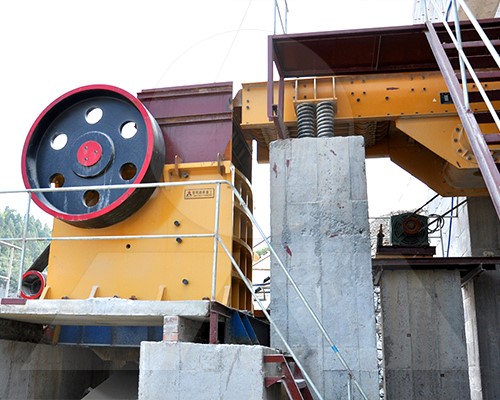
Flywheels: The flywheels store the kinetic energy required for crushing. Inspect them for any visible cracks, especially around the hub and spokes. Check for any wobbling during operation and ensure all bolts are secure. A damaged flywheel is a serious safety hazard.
3. The Frame and Overall Condition
The crusher’s frame is its skeleton. Its condition reflects the stresses the machine has endured over its lifetime.
Crusher Frame: Look for any cracks, particularly around the welds and stress points where the frame connects to the main body and bearings. A crack can indicate the machine has been subjected to stresses beyond its design limits. Also, check for signs of previous welding repairs, which could be a sign of a past failure.
Lubrication System: A well-maintained lubrication system is vital for the longevity of the bearings and other components. Check all lubrication lines and pumps for leaks. Ask the seller about the maintenance schedule and the type of oil used. A system that shows signs of neglect is a strong indicator of the machine’s overall condition.
Conclusion
A used jaw crusher is a significant investment. While a low price may be tempting, the potential for hidden costs can quickly turn a good deal into a financial nightmare. A few hours of careful inspection using this checklist can save you tens of thousands of dollars in future repairs. Don’t be afraid to ask questions, request maintenance records, and if possible, see the machine in operation. Your due diligence is the best way to ensure you buy a reliable piece of used crushing equipment.