Founded in 1987, Liming Heavy Industry specializes in the production of stationary crushers in medium and large models, mobile crushing plants, and ball mills. With over 30 years of technical experience, the company adopts advanced production technologies from the United States, Germany, Australia, and other countries. The company's professionalism and product quality are comparable to well-known international brands in the industry.
Key Considerations for Using Jaw Crushers on High-Silica Content Rock
December 15th 2025
Processing rock with high silica content—such as quartzite, certain sandstones, granite, or highly silicified ores—represents one of the most severe challenges for any crushing equipment. Silica (SiO₂) is one of the most abundant and abrasive minerals on earth. When it is a dominant component in feed material, it acts as a potent grinding agent, dramatically accelerating wear on all components it contacts. Using a jaw crusher for the primary crushing of such materials is common due to its robustness, but a standard approach will lead to unsustainable costs and downtime. This article outlines the critical operational and maintenance considerations essential for running a jaw crusher efficiently and economically on high-silica rock.
Understanding the Challenge: The Nature of High-Silica Rock
The primary characteristic defining this material is its extreme abrasiveness. This leads to:
Exceptionally Rapid Wear: Jaw plates, cheek plates, and even the crusher body can wear out at a rate 3-5 times faster than when processing less abrasive rock like limestone.
Increased Fines Generation: The crushing process itself generates more abrasive dust and fine particles, which can infiltrate lubrication systems and accelerate wear on other components.
Higher Operational Costs: The total cost of ownership (TCO) is dominated by the cost and frequency of replacing wear parts and associated downtime.
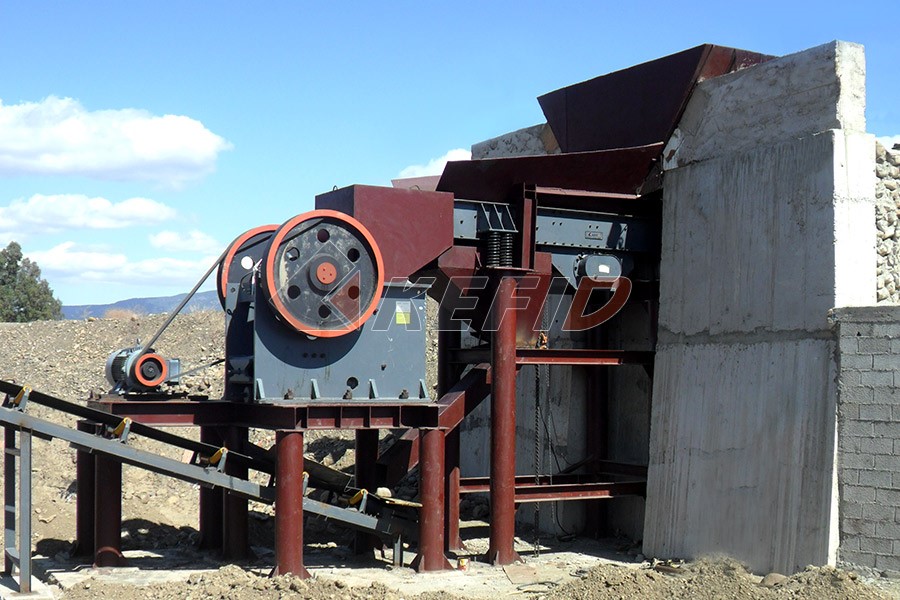
Jaw Crushers
Essential Considerations for Successful Operation
1. Jaw Plate Material and Design: The First Line of Defense This is the single most important factor.
Premium Manganese Steel Alloys: Standard 12-14% manganese steel may suffice for softer rock. For high-silica feed, specify premium 18% manganese or manganese-chromium alloys. These alloys work-harden more effectively under impact, forming a harder, more wear-resistant surface layer.
Optimized Tooth Profile: Choose a jaw plate design with a deep, aggressive tooth profile. This ensures better grip on the hard, dense rock, promoting efficient fracture and reducing slippage, which accelerates wear. Smoother profiles will wear flat quickly.
Hardfacing/Composite Options: For the most severe conditions, consider plates with welded-on hardfacing in high-wear areas or composite plates with ceramic inserts for maximum abrasion resistance.
2. Proactive and Frequent Wear Monitoring & Rotation You cannot wait for plates to be visibly worn out.
Establish a Strict Measurement Protocol: Regularly measure the thickness of the jaw plates at multiple points using calipers or depth gauges. Record the data to track wear rates and predict replacement intervals.
Implement Timely Rotation/Replacement: Plan to rotate or flip the jaw plates long before they are fully worn. A worn plate loses its optimal crushing geometry, reducing capacity and increasing the load on the crusher. Replace plates in sets (both fixed and moving jaws) to maintain balanced crushing action.
3. Crusher Setup and Operation
Correct Closed Side Setting (CSS): Operate with the correct CSS for your target product size. An overly tight setting increases pressure and wear without significant benefit. A slightly coarser primary product may be more economical, with further size reduction handled by a more suitable secondary crusher (like a cone).
Ensure Uniform, Choke-Fed Operation: A consistent, choke-fed crushing chamber is critical. It promotes rock-on-rock crushing in the lower chamber, which can help protect the jaw plates from direct, excessive wear. Avoid “starving” the crusher or feeding in large, sporadic slugs.
Proper Feed Distribution: Ensure the feed is centered and distributed evenly across the entire width of the jaw plates using a well-designed feeder. Uneven feeding causes localized, accelerated wear.
4. Feed Material Preparation and Control
Effective Scalping: Use a vibrating grizzly feeder (VGF) with a heavy-duty grizzly section to remove fine, abrasive material (sand, dirt, small pieces) before it enters the crusher. Processing ready-made fines wastes energy and wears plates unnecessarily.
Control of Maximum Feed Size: Adhere strictly to the crusher’s maximum feed size recommendation. Oversized slabs of hard, abrasive rock cause excessive stress and uneven wear patterns.
5. Maintenance and Ancillary Systems
Lubrication System Integrity: High-silica dust is a major threat to bearings. Ensure all seals are in perfect condition and that automatic lubrication systems (if equipped) are functioning. Use high-quality, clean grease specified for heavy-duty, high-temperature applications.
Tension Rod & Spring Maintenance: Regularly check the tension on the tension rods and the condition of the toggle plate and springs. The intense cyclical forces can cause fatigue and settling, which must be corrected to maintain optimal crushing pressure and protect the crusher frame.
Foundation and Fastener Checks: The high cyclic loads can loosen foundation bolts and other fasteners. Schedule regular re-torquing according to the manufacturer’s specifications.
Economic Analysis: Managing the Cost per Ton
The goal is not to eliminate wear—that’s impossible—but to manage it to achieve the lowest possible cost per ton crushed.
Compare Wear Part Life: Track tons crushed per set of jaw plates. The investment in premium alloy plates is justified if their life is significantly longer than standard plates, even if their upfront cost is higher.
Factor in Downtime: The cost of unscheduled downtime for emergency plate changes or repairs far exceeds the cost of planned maintenance. A proactive replacement schedule based on wear monitoring is more economical.
Overall Circuit Efficiency: Sometimes, accepting a slightly coarser product from the jaw crusher (by opening the CSS) to reduce wear and increase throughput is more profitable overall, provided the secondary crusher can handle it.
Conclusion: A Battle of Economics Against Abrasion
Using a jaw crusher on high-silica rock is a viable strategy, but it must be approached as a specialized operation focused on wear management. Success hinges on three pillars:
Investing in the correct, premium wear materials for the jaw plates.
Implementing a disciplined, data-driven maintenance schedule for wear monitoring and part rotation.
Optimizing crusher setup and feeding practices to promote efficiency and minimize unnecessary abrasion.
By acknowledging the aggressive nature of high-silica feed and adopting these targeted considerations, operators can transform their jaw crusher from a cost center plagued by frequent failures into a reliable, predictable, and economically sound primary reduction unit, even when facing one of the toughest materials in the quarry.
Preparing to process highly abrasive, high-silica rock? Consult with our application specialists and wear parts engineers to select the optimal jaw crusher configuration and jaw plate alloy for your specific material, ensuring maximum service life and the lowest total operating cost.