Founded in 1987, Liming Heavy Industry specializes in the production of stationary crushers in medium and large models, mobile crushing plants, and ball mills. With over 30 years of technical experience, the company adopts advanced production technologies from the United States, Germany, Australia, and other countries. The company's professionalism and product quality are comparable to well-known international brands in the industry.
Application of Mobile Impact Crushers in River Pebble Sand Making
February 10th 2026
River pebbles, a naturally abundant and durable aggregate resource, are an ideal raw material for producing high-quality manufactured sand. However, traditional processing methods involving fixed plants face logistical and environmental challenges, including high transportation costs and permitting for stationary operations. The Mobile Impact Crusher emerges as a transformative solution, enabling efficient, flexible, and sustainable on-site conversion of river pebbles into premium construction sand.
I. The River Pebble Challenge and the Mobile Impact Crusher Advantage
Processing river pebbles for sand production presents unique requirements: the material is hard, abrasive, often rounded, and may contain varying moisture or silt. Mobile impact crushers, particularly track-mounted horizontal shaft impactors (HSI), are uniquely equipped to address these challenges directly at the source.
1. Unmatched Mobility and Direct Source Processing The core benefit is the elimination of material transportation. A mobile impact crusher can be driven directly to the riverbank or a licensed processing yard where pebbles are sourced. This avoids the massive cost and carbon footprint of hauling heavy raw pebbles to a distant fixed plant and transporting finished sand back to construction sites.
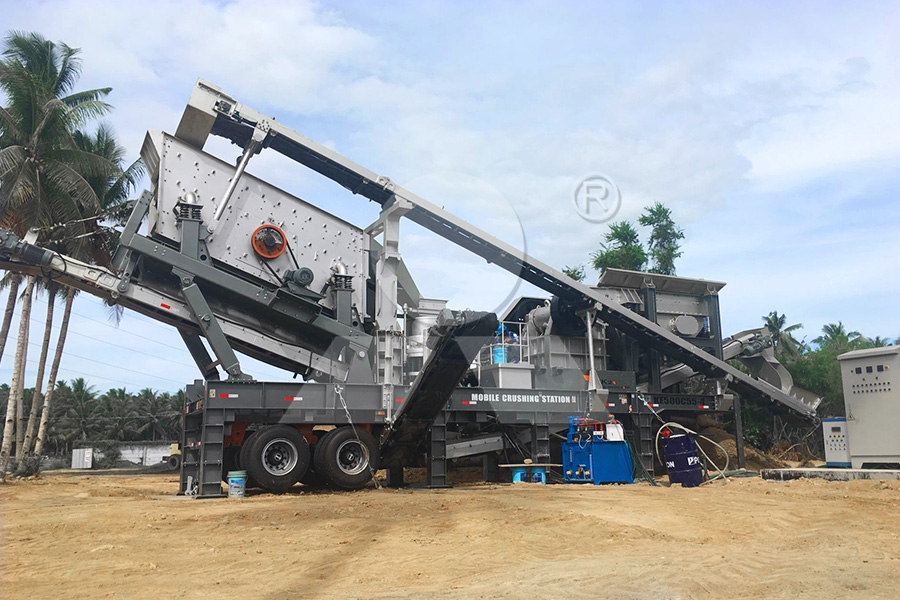
Mobile Impact Crusher
2. High-Efficiency Shaping and Size Reduction Impact crushers excel at breaking rounded, smooth pebbles through high-speed impact, effectively fracturing them along natural lines. This action is highly effective in producing the cubical particle shape essential for high-quality manufactured sand, which provides better workability and strength in concrete mixes compared to flaky or elongated grains.
3. Integrated Closed-Circuit Design for Precise Gradation Modern mobile units are often equipped with an integrated vibrating screen and a return conveyor, forming a closed-circuit system. This allows for continuous re-crushing of oversize material, enabling precise control over the final sand gradation (e.g., 0-5mm). Operators can adjust the crusher settings and screen meshes to meet specific project specifications for concrete or mortar sand.
4. Adaptability to Feed Conditions and Lower Operational Footprint Mobile impact plants require minimal ground preparation. They can handle feed material with a degree of surface moisture better than some other crusher types. Their compact site footprint and ability to relocate minimize long-term environmental disturbance to the riverine area, supporting more sustainable and compliant resource extraction.
II. Core Applications and On-Site Workflow
Primary Applications:
On-Demand Sand Production for Local Construction: Supplying sand for concrete batching, plastering, and masonry work in nearby infrastructure or building projects.
Riverside Ecological Restoration Projects: Processing pebbles for use in bank stabilization, drainage layers, or habitat creation within the same watershed.
Utilization of Dredged or Stockpiled Materials: Converting previously dredged or stockpiled river pebbles into a valuable product, rehabilitating sites.
Typical On-Site Process:
Feeding: Excavators load washed or screened river pebbles (typically <250mm) into the mobile plant’s hopper.
Crushing & Screening: The material is crushed by the impact rotor. The crushed product is then conveyed to the onboard screen.
Gradation Control: The screen separates the material into oversized pebbles (returned to the crusher), the target sand fraction (0-5mm), and potentially a separate coarse aggregate fraction (5-20mm).
Stockpiling: The finished, graded sand is directly stockpiled on-site, ready for immediate use or short-distance transport.
III. Key Considerations for Optimal Performance
Pebble Abrasiveness: River pebbles (often quartz-rich) are highly abrasive. Selecting a mobile impact crusher with robust wear parts (martensitic or ceramic blow bars), easy maintenance access, and a reliable wear protection system is crucial for controlling operating costs.
Feed Size and Pre-Screening: Using a grizzly feeder or a preliminary screen to remove oversized rocks and fine silt/clay before the crusher improves efficiency and product quality.
Moisture Management: While tolerant, very high moisture content can lead to screen clogging. Choosing models with deck heating or appropriate screen media can mitigate this.
Regulatory Compliance: Operations must adhere to local environmental regulations concerning water use, dust suppression, and site disturbance, often making the minimal footprint of a mobile plant a significant advantage.
IV. Conclusion: A Paradigm of Efficiency and Sustainability
The use of Mobile Impact Crushers in river pebble sand making represents a modern, efficient, and environmentally conscious approach to aggregate production. It shifts the paradigm from centralized processing to decentralized, on-demand manufacturing of sand.
For aggregate producers, contractors, and project developers, this technology offers a powerful combination of logistical freedom, cost control, and the ability to produce high-specification sand locally. It turns a locally available natural resource into a high-value construction material with minimal environmental and logistical overhead, making it a strategically smart choice for sustainable development near riverine resource areas.