Founded in 1987, Liming Heavy Industry specializes in the production of stationary crushers in medium and large models, mobile crushing plants, and ball mills. With over 30 years of technical experience, the company adopts advanced production technologies from the United States, Germany, Australia, and other countries. The company's professionalism and product quality are comparable to well-known international brands in the industry.
Canada stands as one of the world’s premier mining nations, home to abundant reserves of minerals including gold, copper, iron ore, nickel, and granite. The mining industry serves as a cornerstone of Canada’s economy, fueling job creation, infrastructure development, and export growth. At the heart of Canada’s mining operations is the processing crusher—a critical piece of equipment that reduces raw ore into usable aggregates, concentrates, or particles for downstream processing. Selecting the right processing crusher for Canada’s mining industry is vital for mining companies to optimize operational efficiency, adhere to Canada’s strict environmental and safety standards, and maximize profitability.
This article explores the role of processing crushers in Canada’s mining sector, highlights the most suitable crusher types for Canadian mining conditions, outlines key selection factors, details compliance requirements, and examines current market trends. Whether you operate a large-scale mining enterprise in Ontario’s gold mines, a mid-sized operation in British Columbia’s copper mines, or a quarry in Quebec, this guide will help you navigate the complexities of choosing and utilizing processing crushers tailored to Canada’s unique mining landscape.
1. The Importance of Processing Crushers in Canada’s Mining Industry
Canada’s mining industry is defined by diverse mineral deposits, varying ore hardness, and rigorous regulatory standards—all of which demand reliable, efficient, and environmentally responsible processing crushers. Unlike standard industrial crushers, mining processing crushers in Canada must withstand harsh Canadian weather conditions (such as extreme cold in northern regions), handle highly abrasive ores, and meet stringent environmental, social, and governance (ESG) requirements set forth by organizations like the Canadian Mining Association (MAC) and the International Mining and Metal Council (ICMM).
Processing crushers play an indispensable role in the mining value chain: they break down large raw ore blocks (often weighing several tons) into smaller, manageable sizes for downstream processes like grinding, sorting, and refining. Without high-performance processing crushers, mining operations would be inefficient, cost-prohibitive, and unable to meet global demand for Canadian minerals. Additionally, with the global mining equipment market projected to exceed $2 trillion by 2033, investing in the right processing crusher is a strategic decision for long-term success in Canada’s competitive mining sector.
2. Common Types of Processing Crushers for Mining Industry Canada
Canada’s mining landscape is diverse, with ore types ranging from soft coal to hard granite and iron ore. As a result, different mining operations require specialized processing crushers to match their specific needs. Below are the most widely used crusher types in Canada’s mining industry, along with their applications and key advantages:
2.1 Jaw Crushers: Ideal for Primary Crushing
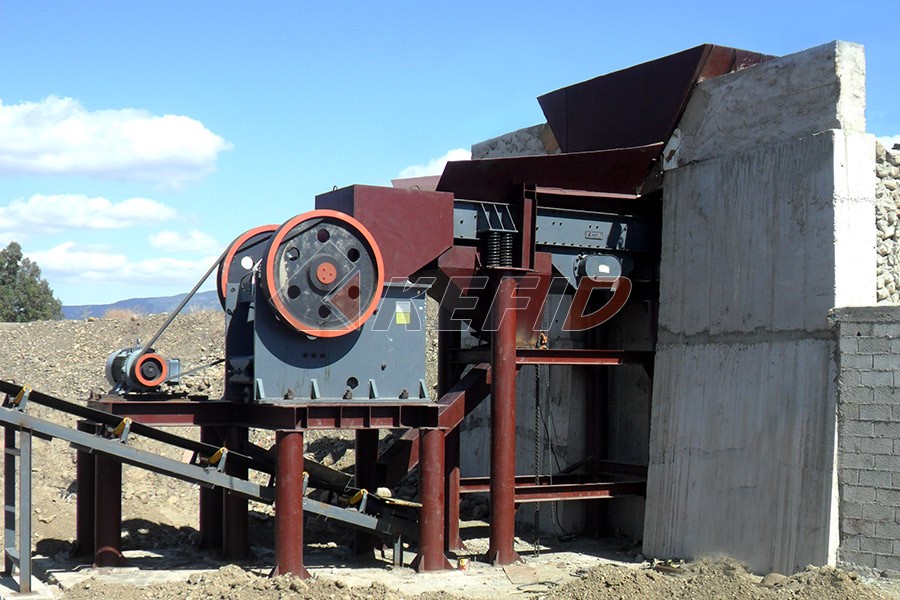
Jaw crushers are the workhorses of primary crushing in Canadian mines, engineered to handle large, hard ore blocks (with feeding sizes up to 1200 mm) and reduce them to smaller particles for secondary processing. They are extensively used in gold, copper, and iron ore mines across Canada, thanks to their robust construction, high durability, and ability to withstand extreme cold temperatures—critical for operations in northern Canada (e.g., Nunavut, Yukon).
Key advantages of jaw crushers for Canadian mining include straightforward maintenance, low energy consumption, and compatibility with a wide range of ore types. Popular models used in Canada include the JC200 and C100 jaw crushers, which are specifically designed to operate efficiently in harsh Canadian climates and meet local safety standards.
2.2 Cone Crushers: Perfect for Secondary and Tertiary Crushing
Cone crushers are essential for secondary and tertiary crushing in Canadian mining operations, particularly for hard, abrasive ores like granite, basalt, and copper ore. They utilize a layer-pressure crushing principle to produce uniform particle sizes, low needle-flake content, and high-quality aggregates—critical for meeting the standards of downstream processing and export markets.
In Canada, cone crushers (such as the HPY300 and PYY series) are widely used in large-scale mining operations, including 500 TPH iron ore processing lines in Ontario and copper mines in British Columbia. Modern cone crushers feature hydraulic systems for easy adjustment and overload protection, making them ideal for continuous operation in Canada’s high-capacity mines. They also come in various types—including spring cone crushers, hydraulic cone crushers, and composite cone crushers—each tailored to specific ore characteristics.
2.3 Impact Crushers: Suitable for Medium-Hard Ores
Impact crushers are used for secondary crushing of medium-hard ores, such as limestone, dolomite, and certain copper ores, which are common in Quebec and Manitoba mines. They use high-speed impact to crush ore, producing well-shaped particles ideal for concrete aggregates and construction applications—a growing market in Canada’s infrastructure sector.
Impact crushers are preferred for their high production efficiency, adjustable particle size, and low maintenance costs. However, they are less suitable for extremely hard ores (like high-silicon granite) due to higher wear rates. Canadian mining companies often pair impact crushers with jaw or cone crushers to optimize the crushing process and reduce operational costs.
2.4 VSI Crushers: For Fine Crushing and Shaping
Vertical Shaft Impact (VSI) crushers are used for fine crushing and shaping in Canadian mining operations, particularly for producing high-quality manufactured sand and fine aggregates. They are widely used in gold and silver mines, where precise particle size control is critical for ore sorting and refining. VSI crushers are also utilized in aggregate production for Canada’s road and bridge construction projects, as they produce particles with excellent shape and gradation.
Crushers for Mining Industry Canada
3. Key Factors to Consider When Choosing Processing Crushers for Canada’s Mining Industry
Selecting the right processing crusher for Canada’s mining industry requires careful consideration of Canada’s unique mining conditions, regulatory requirements, and operational needs. Below are the most critical factors to keep in mind:
3.1 Ore Characteristics and Hardness
Canada’s mineral deposits vary significantly in hardness and abrasiveness. For example, iron ore in Ontario is relatively hard (with a compressive strength of 150-200 MPa), while coal in Alberta is soft. Hard, abrasive ores (like granite and copper ore) require crushers with high wear resistance, such as cone crushers equipped with high-manganese steel or alloy steel liners. Soft ores, by contrast, can be efficiently processed with jaw or impact crushers, reducing wear and maintenance costs.
3.2 Canadian Weather and Environmental Conditions
Canada’s extreme weather—including sub-zero temperatures in winter and heavy rainfall in summer—poses unique challenges for processing crushers. Crushers used in northern Canada must be equipped with cold-resistant components, heated lubrication systems, and weather-sealed enclosures to prevent freezing and damage. Additionally, Canadian mining operations must comply with strict environmental regulations, such as the Canadian Environmental Protection Act (CEPA), which mandates that crushers have effective dust control and noise reduction systems to minimize environmental impact.
3.3 Compliance with Canadian Safety and Regulatory Standards
Canada maintains some of the strictest mining safety and environmental standards globally. Processing crushers must comply with standards set by the Canadian Centre for Occupational Health and Safety (CCOHS), provincial mining regulators (e.g., Ontario’s Ministry of Mines, British Columbia’s Ministry of Energy, Mines and Low Carbon Innovation), and the newly proposed Comprehensive Mining Standards Initiative (CMSI), which aims to unify ESG practices across the global mining industry. Crushers must be equipped with safety features such as emergency stop buttons, guardrails, and overload protection systems to ensure worker safety. Additionally, they must meet emissions standards to reduce air and water pollution.
3.4 Production Capacity and Efficiency
Canadian mining operations range from small quarries to large-scale mines with production capacities exceeding 1000 TPH. The processing crusher must align with the mine’s production needs to avoid bottlenecks. For example, a large iron ore mine in Labrador will require a high-capacity cone crusher (500-1000 TPH), while a small gold mine in Nova Scotia may only need a compact jaw crusher (50-100 TPH). Energy efficiency is also critical, as rising energy costs in Canada make it essential to choose crushers with low power consumption.
3.5 Maintenance and Local Support
Remote mining operations in Canada (e.g., northern Quebec, Nunavut) require crushers that are easy to maintain and have access to local spare parts and support. Choosing a crusher from a manufacturer with a strong presence in Canada (e.g., local distributors, service centers) ensures timely maintenance, reducing downtime and operational costs. Additionally, crushers with modular designs and easy-to-replace wear parts (like liners) are preferred for remote operations.
4. Compliance and Environmental Considerations for Canadian Mining Crushers
Canada’s mining industry is subject to strict environmental and safety regulations, and processing crushers must meet these standards to operate legally. Below are the key compliance requirements for processing crushers in Canada:
4.1 Dust Control
Mining crushers generate significant dust, which can harm workers’ health and the environment. Canadian regulations require crushers to be equipped with dust collection systems, such as pulse bag dust collectors, enclosed conveyor corridors, and spray dust suppression devices. These systems must reduce dust emissions to below 10 mg/m³, in line with CEPA standards.
4.2 Noise Reduction
Crushers are noisy equipment, and Canadian standards limit noise levels to 85 dB(A) for workers and 55 dB(A) for nearby communities. Crushers used in Canada are often equipped with noise-dampening enclosures and vibration isolation systems to meet these requirements.
4.3 Waste Management
Mining operations in Canada must properly manage crusher waste, such as wear parts (liners, screens) and used lubricants. Crushers should be designed to minimize waste, and waste materials must be disposed of in compliance with provincial waste management regulations.
4.4 ESG Compliance
With the launch of the Comprehensive Mining Standards Initiative (CMSI), Canadian mining companies are increasingly focusing on ESG practices. Processing crushers play a key role in ESG compliance by reducing energy consumption, minimizing environmental impact, and ensuring worker safety. Choosing energy-efficient crushers and implementing sustainable maintenance practices can help mining companies meet CMSI standards and enhance their brand reputation.
5. Market Trends for Processing Crushers in Canada’s Mining Industry
The Canadian mining industry is evolving, and processing crusher technology is advancing to meet new challenges and opportunities. Below are the key market trends shaping the use of processing crushers in Canada:
5.1 Automation and Digitization
Canadian mining companies are increasingly adopting automated and digitized processing crushers. These crushers feature PLC control systems, real-time monitoring, and remote operation capabilities, allowing operators to monitor performance, adjust parameters, and troubleshoot issues from a safe distance. Automation reduces manual labor, improves efficiency, and enhances safety—critical for remote mining operations in Canada.
5.2 Focus on Energy Efficiency
Rising energy costs and environmental concerns are driving demand for energy-efficient processing crushers in Canada. Manufacturers are developing crushers with advanced motor technology, optimized crushing chambers, and energy recovery systems to reduce power consumption. Energy-efficient crushers not only lower operational costs but also help mining companies meet their carbon reduction goals.
5.3 Growth in Sustainable Mining
Sustainable mining is a top priority for the Canadian mining industry, and processing crushers are being designed to minimize environmental impact. This includes using recycled materials for wear parts, implementing closed-loop water systems, and reducing emissions. Additionally, the CMSI initiative is driving Canadian mining companies to adopt more sustainable practices, further fueling demand for eco-friendly crushers.
5.4 Equipment Replacement Wave
The global mining equipment industry is entering a new replacement wave, with the average equipment replacement cycle being 10-15 years. Since the last peak in 2009-2015, many Canadian mining companies are now upgrading their processing crushers to more efficient, compliant models. This trend is expected to continue through 2030, driving growth in the Canadian processing crusher market.
6. Top Recommendations for Processing Crushers in Canada’s Mining Industry
Based on Canada’s mining conditions, regulatory requirements, and market trends, here are the top recommendations for selecting processing crushers:
For primary crushing of hard ores (iron, copper, granite): Choose a jaw crusher with cold-resistant components and high-manganese steel liners (e.g., JC200, C100).
For secondary/tertiary crushing of hard, abrasive ores: Select a hydraulic cone crusher (e.g., HPY300, PYY series) with adjustable crushing chambers and overload protection.
For medium-hard ores (limestone, dolomite): Use an impact crusher for high efficiency and well-shaped particles.
For fine crushing and shaping: Opt for a VSI crusher to produce high-quality aggregates for construction and refining.
Prioritize crushers with local support: Choose manufacturers with service centers in Canada to ensure timely maintenance and spare parts availability.
Conclusion
Processing crushers are the backbone of Canada’s mining industry, enabling efficient, safe, and compliant ore processing. With Canada’s diverse mineral deposits, harsh weather conditions, and strict regulatory standards, selecting the right processing crusher is critical for mining companies to succeed in a competitive global market. By considering ore characteristics, weather conditions, compliance requirements, and market trends, mining operators can choose crushers that optimize efficiency, reduce costs, and meet Canada’s environmental and safety standards.
As Canada’s mining industry continues to grow and evolve—driven by the CMSI initiative, equipment replacement trends, and sustainable mining practices—the demand for advanced, efficient processing crushers will only increase. Whether you’re operating a large-scale mine or a small quarry, investing in the right processing crusher is a strategic decision that will drive long-term profitability and success in Canada’s dynamic mining sector.