Founded in 1987, Liming Heavy Industry specializes in the production of stationary crushers in medium and large models, mobile crushing plants, and ball mills. With over 30 years of technical experience, the company adopts advanced production technologies from the United States, Germany, Australia, and other countries. The company's professionalism and product quality are comparable to well-known international brands in the industry.
Impact Crusher’s Capacity in Processing Construction Waste
March 9th 2026
With the rapid growth of urbanization and infrastructure construction, the generation of construction waste is increasing dramatically worldwide. Construction waste—including concrete debris, brick fragments, asphalt chunks, and demolition waste—has become a major environmental challenge, but it also represents a valuable recyclable resource. Impact crushers have emerged as a reliable and efficient solution for processing construction waste, thanks to their unique crushing principle, flexible design, and ability to produce high-quality recycled aggregates.
For construction companies, waste management firms, and recycling facilities, understanding the impact crusher’s capacity in processing construction waste is key to optimizing waste recycling workflows, reducing disposal costs, and promoting sustainable construction practices. In this article, we explore the impact crusher’s processing capacity, its advantages for construction waste recycling, common applications, and practical tips to maximize efficiency.
What is Construction Waste, and Why Process It?
Construction waste refers to the debris generated during construction, demolition, renovation, or maintenance projects. The main types include:
Concrete waste (broken slabs, beams, columns, and foundations).
Brick and tile waste (demolished walls, roof tiles, and masonry debris).
Asphalt waste (old road surfaces, parking lots, and asphalt mixtures).
Wood, metal, and glass debris (secondary waste from construction sites).
Processing construction waste is not only environmentally necessary but also economically beneficial. Unprocessed construction waste often ends up in landfills, occupying valuable space and causing pollution. In contrast, recycled construction waste (processed into aggregates) can be reused in new construction projects, reducing the need for natural aggregates (such as sand and gravel) and lowering material costs.
Impact Crusher’s Capacity: Key Specifications and Performance
The capacity of an impact crusher to process construction waste depends on several factors, including the crusher’s model, feed size, output size, and the type of construction waste being processed. Below is a detailed breakdown of the impact crusher’s processing capacity and key performance indicators.
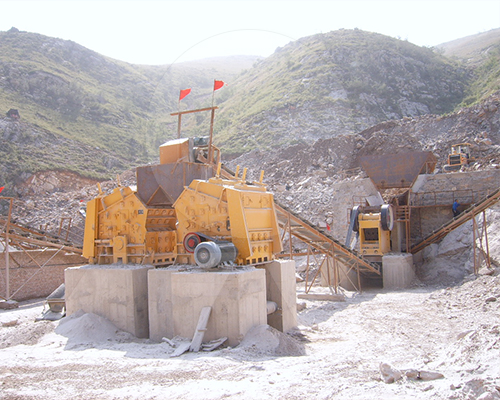
impact crusher
1. Processing Capacity Range
Impact crushers are available in a wide range of sizes, from small mobile units to large stationary models, with processing capacities varying from 10 tons per hour (t/h) to over 500 t/h. This flexibility makes them suitable for both small-scale demolition projects and large-scale construction waste recycling plants:
Small impact crushers (10-50 t/h): Ideal for small demolition sites, residential renovation projects, and on-site waste processing.
Medium impact crushers (50-200 t/h): Suitable for medium-sized construction waste recycling facilities and municipal waste management.
Large impact crushers (200-500+ t/h): Designed for large-scale construction waste recycling plants, handling high volumes of concrete, asphalt, and brick waste.
2. Feed Size and Output Size Capabilities
Impact crushers can handle a wide range of feed sizes, making them suitable for processing various types of construction waste:
Feed size: Most impact crushers can accept feed sizes up to 500 mm, which is ideal for processing large concrete slabs, brick walls, and asphalt chunks without the need for excessive pre-crushing.
Output size: The output size of impact crushers is adjustable, typically ranging from 0-50 mm. This allows for the production of different grades of recycled aggregates, such as fine aggregates (0-10 mm) for concrete mixing and coarse aggregates (10-50 mm) for road base and foundation construction.
3. Performance on Different Types of Construction Waste
Impact crushers excel at processing most types of construction waste, thanks to their impact-based crushing principle. Here’s how they perform on common waste materials:
Concrete waste: Impact crushers break concrete into uniform, cubical aggregates with low flakiness. The crushing process removes impurities (such as steel reinforcement, which can be separated using magnetic separators) and produces high-quality recycled concrete aggregates (RCA).
Brick and tile waste: The impact force of the crusher easily breaks brittle brick and tile debris into small, uniform particles, which can be reused as backfill material or mixed with other aggregates for low-grade construction.
Asphalt waste: Impact crushers process asphalt waste efficiently, producing recycled asphalt aggregates (RAA) that can be reused in road construction and maintenance, reducing the need for new asphalt.
Why Impact Crushers Are Ideal for Construction Waste Processing
Impact crushers offer several unique advantages that make them superior to other crusher types (such as jaw crushers or cone crushers) for processing construction waste:
1. Versatility and Flexibility
Impact crushers can handle a wide variety of construction waste materials, from hard concrete to brittle brick and asphalt. Their adjustable discharge settings allow for the production of different grades of recycled aggregates, meeting the diverse needs of construction projects.
2. High-Quality Recycled Aggregates
Unlike jaw crushers (which produce more flaky particles), impact crushers use high-speed impact force to break materials, resulting in cubical, uniform aggregates. This makes recycled aggregates from impact crushers suitable for high-grade applications, such as concrete mixing and road construction.
3. Mobile and On-Site Processing Capabilities
Many impact crushers are available as mobile units, which can be transported directly to construction or demolition sites. On-site processing eliminates the need for transporting large volumes of waste to recycling facilities, reducing transportation costs and environmental impact.
4. Efficient and Low Maintenance
Impact crushers have a simple structure with fewer moving parts, making them easy to maintain and operate. Their high crushing efficiency reduces processing time, while wear-resistant components (such as impact plates and blow bars) extend service life and reduce maintenance costs.
5. Environmental Benefits
By processing construction waste into recycled aggregates, impact crushers help reduce landfill waste, conserve natural resources, and lower carbon emissions associated with the extraction and transportation of natural aggregates. This aligns with global sustainable development goals and green construction practices.
Practical Applications of Impact Crushers in Construction Waste Processing
Impact crushers are widely used in various construction waste recycling scenarios, including:
1. Demolition Site Waste Processing
Mobile impact crushers are commonly used on demolition sites to process waste on-site. For example, when demolishing a building, the crusher can break concrete, brick, and asphalt debris into recycled aggregates, which can be immediately reused for backfill or transported to other construction sites.
2. Construction Waste Recycling Plants
Large stationary impact crushers are the core equipment of construction waste recycling plants. These plants collect and process construction waste from various sources, producing high-quality recycled aggregates for sale to construction companies.
3. Road Construction and Maintenance
Impact crushers process asphalt waste into recycled asphalt aggregates, which are used to repair roads, pave parking lots, and construct road bases. This reduces the need for new asphalt and lowers road construction costs.
4. Residential and Commercial Renovation Waste
Small impact crushers are used to process waste from residential and commercial renovation projects, such as broken tiles, concrete slabs, and brick debris. The recycled aggregates can be used for garden paths, driveways, or as backfill material.
Tips to Maximize Impact Crusher’s Capacity in Processing Construction Waste
To ensure the impact crusher operates at maximum capacity and efficiency when processing construction waste, follow these practical tips:
Pre-screen the waste: Remove large impurities (such as metal, wood, and glass) from construction waste before feeding it into the crusher. This prevents damage to the crusher and improves processing efficiency.
Adjust feed rate: Maintain a uniform feed rate to avoid overloading the crusher. Overfeeding can reduce capacity and cause jams, while underfeeding wastes energy and reduces output.
Optimize discharge settings: Adjust the discharge gap according to the desired output size. A smaller gap produces finer aggregates but reduces capacity, while a larger gap increases capacity but produces coarser aggregates.
Regular maintenance: Inspect and replace wear parts (such as blow bars and impact plates) regularly to ensure optimal performance. Keep the crusher lubricated and clean to prevent breakdowns.
Choose the right crusher model: Select an impact crusher with a capacity that matches your processing needs. For on-site processing, choose a mobile model; for large-scale recycling, choose a stationary model with high capacity.
Conclusion
Impact crushers are highly capable of processing construction waste, offering versatile, efficient, and cost-effective solutions for recycling construction debris into valuable aggregates. Their processing capacity ranges from small-scale on-site units to large-scale industrial plants, making them suitable for a wide range of applications.
With their ability to produce high-quality recycled aggregates, mobile processing capabilities, and environmental benefits, impact crushers are becoming an essential tool for sustainable construction and waste management. By understanding the impact crusher’s capacity and following best practices for operation and maintenance, you can maximize efficiency, reduce costs, and contribute to a greener construction industry.
If you’re looking to invest in an impact crusher for construction waste processing, our team of experts can help you select the right model based on your processing capacity needs, waste type, and budget.