Founded in 1987, Liming Heavy Industry specializes in the production of stationary crushers in medium and large models, mobile crushing plants, and ball mills. With over 30 years of technical experience, the company adopts advanced production technologies from the United States, Germany, Australia, and other countries. The company's professionalism and product quality are comparable to well-known international brands in the industry.
What Materials Are Suitable for an Impact Crusher?
September 12th 2025
Choosing the right rock crushing equipment is the most critical decision for any aggregate production or recycling project. Using a crusher that isn’t suited for the material will lead to inefficiency, high operating costs, and poor product quality. The impact crusher is a highly versatile and powerful machine, but its effectiveness is entirely dependent on the type of material it’s processing.
This guide will clarify which materials are a perfect match for an impact crusher and which ones should be avoided.
How an Impact Crusher Works
Unlike jaw and cone crushers that use compression to break rock, an impact crusher uses a high-speed rotor equipped with blow bars (or hammers). This rotor spins and strikes the incoming material, throwing it against fixed impact plates inside the crushing chamber. This forceful “impact” action is what breaks the rock.
This crushing principle makes it exceptionally effective for certain materials and completely unsuitable for others.
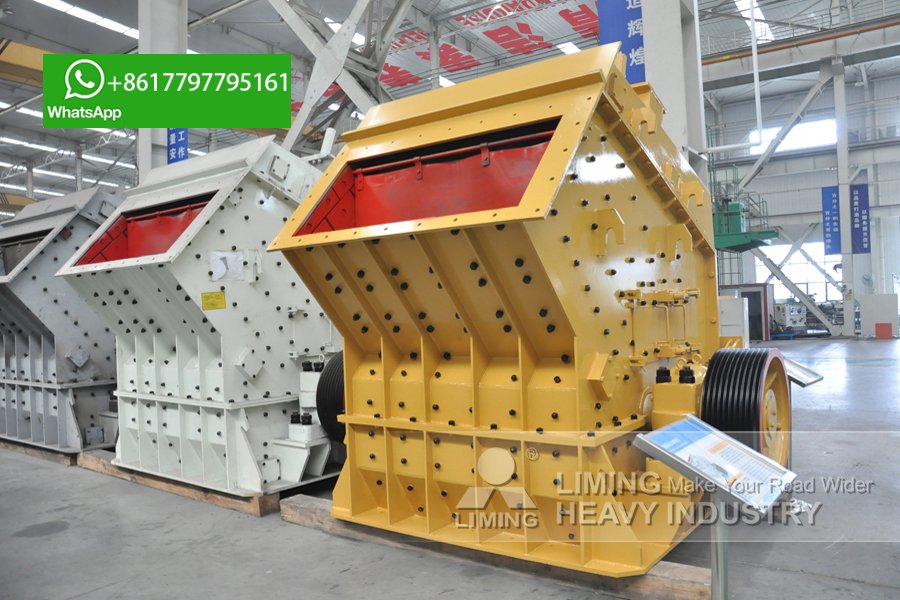
impact crusher
Ideal Materials for an Impact Crusher
The unique design of the impact crusher makes it the go-to choice for two main categories of materials:
1. Soft to Medium-Hard Rocks
The impact crushing method is perfectly suited for materials that are relatively soft and non-abrasive. These rocks fracture easily under impact, resulting in high efficiency and excellent product quality.
Limestone: The most common application for an impact crusher. Limestone is the primary raw material for cement production and is easily crushed by impact.
Dolomite & Gypsum: Like limestone, these materials are ideal for impact crushing, which produces a consistent, cubical product for various industrial applications.
Coal & Sandstone: In mining and quarrying, the impact crusher is highly effective for processing these softer materials.
2. Demolition and Recycled Materials
The impact crusher has become a cornerstone of the recycling industry, revolutionizing how we handle construction and demolition waste.
Concrete & Asphalt: This is one of the machine’s most valuable applications. The impact method efficiently breaks down concrete and asphalt, while the design allows for the safe handling of rebar and other contaminants. The crusher can be fitted with a magnetic separator to remove steel from the finished product.
Bricks & Rubble: The machine easily processes mixed construction rubble, producing a high-quality recycled aggregate that can be reused for road bases, backfill, or other applications.
Materials to AVOID with an Impact Crusher
To truly understand the strengths of an impact crusher, it’s important to know its limitations. This machine is generally NOT suitable for hard, highly abrasive materials.
Granite, Basalt, & Quartzite: These materials have a high silica content, making them extremely hard and abrasive. Using an impact crusher on these rocks will cause rapid, severe wear on the blow bars and impact plates. The cost of frequently replacing these parts would make the operation economically unfeasible. For these types of rock, a jaw crusher and a cone crusher are the standard choices.
Conclusion
The impact crusher is an invaluable tool for specific rock crushing applications. It delivers unparalleled efficiency and a superior product shape when processing soft to medium-hard rocks like limestone or for the crucial task of recycling concrete and asphalt.
By understanding its strengths and limitations, you can select the right crushing equipment for your project, ensuring maximum uptime, profitability, and a quality end product.