Founded in 1987, Liming Heavy Industry specializes in the production of stationary crushers in medium and large models, mobile crushing plants, and ball mills. With over 30 years of technical experience, the company adopts advanced production technologies from the United States, Germany, Australia, and other countries. The company's professionalism and product quality are comparable to well-known international brands in the industry.
Impact Crusher vs Jaw Crusher: Which One Suits Your Quarry Project?
October 28th 2026
When selecting crushing equipment for quarry projects, choosing between impact crushers and jaw crushers is a critical decision. Both machines serve distinct purposes in material processing, and understanding their differences can significantly impact your project’s efficiency, cost, and output quality.
Key Differences Between Impact Crushers and Jaw Crushers
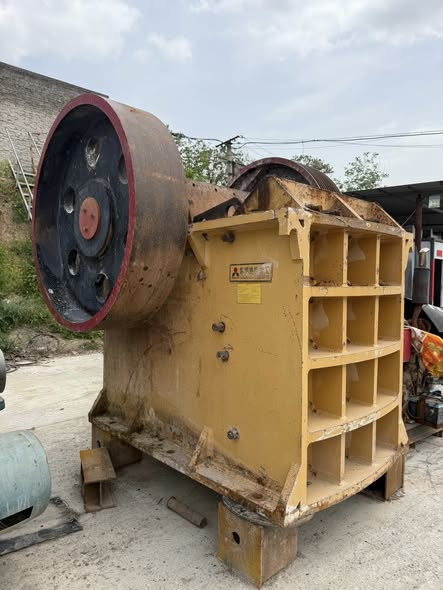
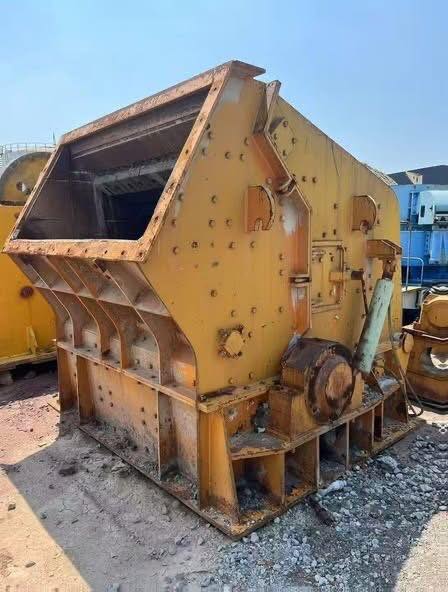
Impact crushers and jaw crushers operate on fundamentally different principles, leading to distinct performance characteristics. Jaw crushers utilize compressive force through fixed and moving jaws to crush material, making them ideal for primary crushing of hard, abrasive materials like granite and basalt. In contrast, impact crushers employ high-speed rotor impact to fracture materials, excelling at producing uniformly shaped aggregates from softer rocks such as limestone.
Performance Comparison: Data from Liming Heavy Industry
Parameter
Jaw Crusher (PEV-1200×1500)
Impact Crusher (PF-1820)
Max Feed Size
1020mm
600mm
Output Capacity
220-450 tph
100-260 tph
Final Product Size
10-300mm
5-50mm (adjustable)
Power Consumption
160-220 kW
250-315 kW
Wear Part Cost
$0.08/ton
$0.12/ton
Choosing the Right Crusher for Your Quarry
Selecting the appropriate crusher depends on your quarry’s specific material characteristics and production goals. For hard, abrasive rocks requiring primary crushing with large throughput, jaw crushers typically offer superior efficiency and lower operating costs. Conversely, when processing softer materials or needing precisely shaped aggregates for construction purposes, impact crushers provide better end-product quality despite higher per-ton wear costs.
Consider factors such as feed material hardness, desired output size distribution, and production capacity requirements when making your decision. Many quarry operations achieve optimal results by combining both crusher types in a multi-stage crushing circuit.