Founded in 1987, Liming Heavy Industry specializes in the production of stationary crushers in medium and large models, mobile crushing plants, and ball mills. With over 30 years of technical experience, the company adopts advanced production technologies from the United States, Germany, Australia, and other countries. The company's professionalism and product quality are comparable to well-known international brands in the industry.
How is the Finished Product Shape When Crushing River Pebble with a Mobile Impact Crusher?
October 15th 2025
River pebble, known for its high hardness and smooth, rounded surface, is a valuable but challenging raw material for aggregate production. A common question among operators is: How is the finished product shape when processing this material with a mobile impact crusher? The answer is central to determining the final product’s market value and suitability for high-grade applications like concrete and asphalt. This article provides a detailed analysis of the product shape and the factors influencing it.
1. The Result: Generally Good Cubical Shape
The primary advantage of a mobile impact crusher is its ability to produce a well-shaped, cubical product. When crushing river pebble, the outcome is generally favorable:
High Proportion of Cubical Grains: The impact crushing mechanism—where pebbles are hurled at high speed against impact aprons and against each other—fractures them along their natural cleavage planes. This action typically results in a high percentage of equidimensional, cubical particles in the final product.
Reduction of Flaky and Elongated Particles: Compared to some compression-based crushers, the impact crusher is more effective at breaking down the natural, rounded shape of river pebbles into angular fragments, significantly reducing the content of undesirable flaky or elongated grains.
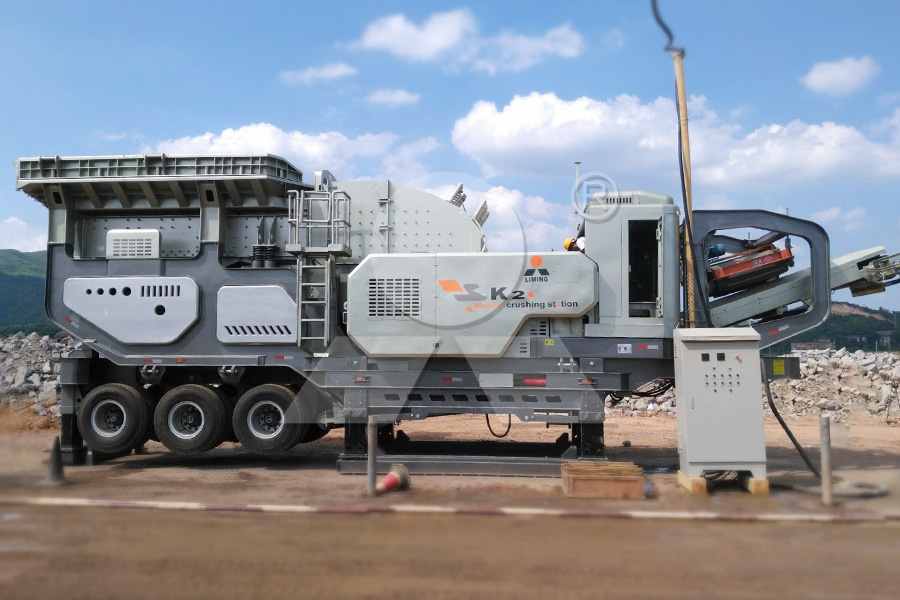
mobile impact crusher
2. Advantages Over Other Crusher Types for Pebble
Why choose an impact crusher for this specific task?
Versus Cone Crushers: While cone crushers are excellent for hard, abrasive rock, they can sometimes produce a slightly more flaky product when close to the discharge setting. An impact crusher often delivers a superior, more consistent cubical shape, which is crucial for high-value applications.
Natural “Rock-on-Rock” Crushing: Many mobile impact crushers can be configured for a high proportion of “rock-on-rock” crushing, where pebbles collide with each other in the rotor chamber. This is the most effective method for achieving an excellent, self-sharpening cubical shape.
3. Key Factors Influencing the Final Product Shape
The finished product shape is not a fixed outcome; it can be optimized by adjusting several key parameters of the mobile impact crusher:
Rotor Speed: This is the most critical factor. A higher rotor speed generates more energy upon impact, resulting in greater fragmentation and a finer, more cubical product. A lower speed may produce a coarser product but can be less effective at shaping.
Feed Size and Gradation: A consistent and well-graded feed (without a large size range) allows the crusher to operate at peak efficiency, leading to a more uniform product shape.
Condition of Wear Parts (Blow Bars): Worn blow bars lose their effectiveness and can lead to a poorer product shape, with more irregular particles. Maintaining sharp blow bars is essential for optimal shaping.
Gap Setting between Blow Bars and Impact Aprons: Adjusting this gap allows for control over the product size and influences the number of impacts the material receives, which in turn affects the final shape.
4. How to Optimize the Shape for River Pebble
To achieve the best possible finished product shape when crushing river pebble, follow these tips:
Use a Closed-Circuit Configuration: Pair your mobile impact crusher with a mobile screening plant. This allows you to recirculate oversized material back to the crusher for further shaping, ensuring all output meets the desired specification.
Prioritize “Rock-on-Rock” Configuration: If your crusher model allows it, maximize the rock-on-rock action. This minimizes wear on the blow bars and is exceptionally effective at creating a high-quality cubical shape.
Monitor and Maintain Blow Bars: Establish a strict maintenance schedule to check and rotate/replace blow bars before they become excessively worn.
Conclusion
So, how is the finished product shape when crushing river pebble with a mobile impact crusher? The answer is: Very good to excellent. While river pebble is a hard and challenging material, the fundamental working principle of the impact crusher is ideally suited to breaking its rounded form into a high-value, cubical aggregate. By carefully selecting and operating the crusher—paying close attention to rotor speed, wear parts, and circuit design—operators can consistently produce a well-shaped, marketable product that meets the stringent requirements of modern construction projects.