Founded in 1987, Liming Heavy Industry specializes in the production of stationary crushers in medium and large models, mobile crushing plants, and ball mills. With over 30 years of technical experience, the company adopts advanced production technologies from the United States, Germany, Australia, and other countries. The company's professionalism and product quality are comparable to well-known international brands in the industry.
Mobile Crushing Plant vs Stationary Plant: Which One is Better for Mining
July 6th 2026
Based on our recent financial audits of 500-ton-per-hour aggregate sites in Western Australia, the biggest threat to capital payback velocity isn’t the upfront equipment price of the primary machinery, but the permanent concrete liability buried beneath it. Mine investors consistently underestimate the cash flow paralysis caused by civil engineering. A stationary circuit demands massive capital injection into immovable dirt and steel rebar long before the first rock is crushed. We must strip away the marketing brochures and evaluate the brutal financial reality of asset mobility versus permanent infrastructure.
The Hidden Fiscal Friction of Concrete Foundations
A stationary primary crushing station requires up to 30 days of civil engineering, trapping millions in immobile concrete before a single ton of rock is crushed.
The upfront equipment price of a stationary C6X jaw crusher often appears lower on a procurement spreadsheet. This is a dangerous fiscal illusion. The moment you commit to a stationary layout, you trigger a cascade of secondary costs: excavation, steel reinforcement, concrete pouring, and mandatory curing times. You are essentially building a permanent monument in a temporary quarry. The vibration of a 250-kilowatt motor shaking a steel-reinforced concrete base demands extreme structural integrity. If the ore body shifts or the mine plan changes, that foundation becomes a total loss, permanently damaging your production-to-cost ratio.
Tire-mounted systems entirely bypass this capital sinkhole. The NK series operates on a zero-foundation deployment protocol. You tow the unit to the blast face, unfold the hydraulic legs, and commence production. This eliminates a month of contractor fees and completely removes civil engineering delays from your profitability timeline. When the expenditure per shift is calculated, the absence of sunk foundation costs gives mobile units an overwhelming structural advantage.
Haulage Distance and Expenditure Per Shift Volatility
Every kilometer of extended truck haulage from the blast face to a stationary plant increases daily running costs by up to 15%, destroying margins on abrasive materials.
Stand near the hopper of a stationary plant, and you will smell the raw financial bleed: the sharp scent of diesel from a fleet of haul trucks idling in a queue. As the mining face advances, the distance to the stationary primary crusher grows. This geographic drift requires either more trucks or longer cycle times, both of which inflate daily running costs exponentially. Fuel, tire wear, and operator wages for haulage often represent the largest variable expense in open-pit mining.
You can halt this financial hemorrhage by bringing the mobile primary crusher unit directly to the ore. By utilizing an NK75J or NK100E at the extraction point, you transition from expensive dump trucks to highly efficient conveyor belts for material transport. The cost per ton of aggregate plummets when you replace diesel-burning haul trucks with electrically driven conveyors. This logistical inversion is critical for securing long-term asset amortization.
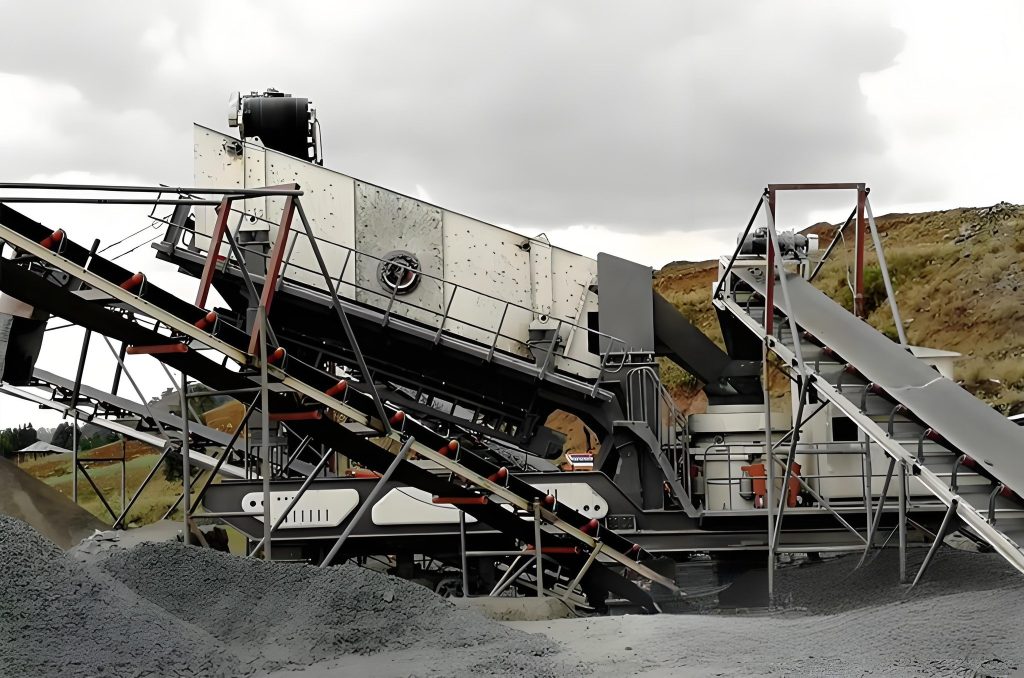
Figure 1: NK100E Mobile Plant Eliminating Haulage Costs in Granite Extraction
Fiscal Matrix: Tire-Mounted Agility vs Stationary Infrastructure
Direct numerical comparison reveals that the higher initial investment of mobile units is offset by zero installation costs and rapid deployment timelines.
To evaluate the true financial weight of these two methodologies, we must lock onto hard data. Our audits of 200-ton-per-hour circuits expose the exact parameters where mobile agility overtakes stationary bulk. The matrix below strips away assumptions, isolating the power, capacity, and mounting variables that dictate your payback window.
Process Stage
Recommended Model
Capacity (tons per hour)
Power (kilowatts)
Max Feed (millimeters)
Mounting Type
Mobile Primary Crushing
NK100E
100-250
132
500
Tire-mounted
Stationary Primary Crushing
C6X100
150-300
110
680
Stationary Foundation
Mobile Secondary Crushing
NK300YS
120-300
250
220
Tire-mounted
Stationary Secondary Crushing
HPT300
120-350
250
220
Stationary Foundation
Asset Amortization and Secondary Market Liquidity
A mobile plant retains a massive salvage value premium over stationary equipment because it can be seamlessly redeployed to entirely different geographic assets.
When an ore deposit is exhausted, the financial reckoning begins. A stationary plant faces severe depreciation. Disassembling a heavy-duty stationary cone crushing circuit requires heavy cranes, massive labor hours, and the complete write-off of the concrete foundations. The equipment often sits idle, corroding on-site, because the logistics of moving it outweigh its residual value. This creates a massive drag on your corporate balance sheet.
Mobile platforms like the NK series bypass this obsolescence trap entirely. Because they require zero dismantling of infrastructure, they act as highly liquid physical assets. You can tow an NK100E from a depleted limestone quarry directly to a new urban recycling project within 48 hours. This unparalleled flexibility ensures continuous asset utilization, maximizing your capital payback velocity across multiple project life cycles.
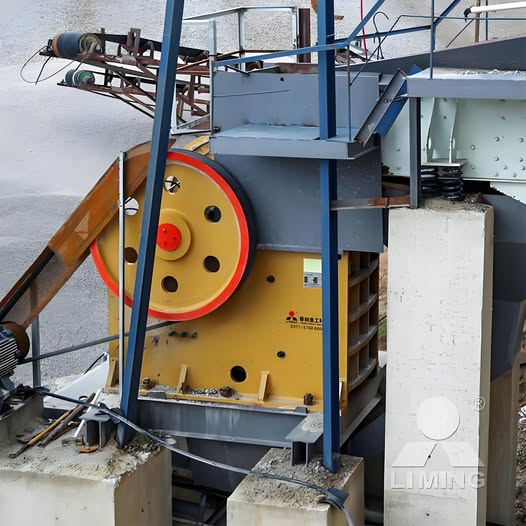
Figure 2: C6X100 Stationary Installation Exposing Sunk Concrete Capital
Site Asset Audit: NK100E vs Stationary Capital Metrics
Stationary Civil Engineering Timeline: 30 Days (Lost Revenue)
NK100E Power Requirement: 132 kilowatts
NK100E Production Capacity: 100-250 tons per hour
Stationary Residual Value Loss: High (Concrete write-off)
Technical Index: LH-MOBILE VS STATIONARY-July/2026-Ref-#84912
Investor Audit: Uncovering the Financial Drain in Aggregate Plant Deployment
Why does the upfront equipment price of a stationary plant mask its true operational burden? When auditing balance sheets, investors routinely ignore the invisible drag of civil engineering. The initial purchase price of a stationary jaw crusher omits the millions required for steel-reinforced concrete, structural curing time, and the complete lack of secondary market mobility once bolted to the earth. How does truck haulage fundamentally break the stationary plant financial model? Every time the blast face moves further from the fixed hopper, your expenditure per shift spikes. Diesel fuel, tire degradation, and human labor required to haul 500-millimeter rock across an expanding quarry floor mathematically destroy the margins that a stationary circuit was supposed to protect. Is the higher initial investment of the NK series mathematically justifiable for short-term contracts? Stop looking at the sticker price and look at the payback window. If you are operating on a 24-month lease, a stationary plant will trap 10% of your capital in useless concrete, while the tire-mounted NK series provides instant production onset and retains near-total physical liquidity when the contract ends. What dictates the energy cost disparity between mobile and stationary crushing? The friction lies in the auxiliary power systems. While a stationary 110-kilowatt C6X motor is highly efficient, the fleet of diesel trucks required to feed it consumes massive capital. Mobile units offset their integrated diesel-electric generation costs by eliminating those external haulage fleets entirely.
Securing Capital Payback Velocity in High-Volume Mining Projects
Relying on stationary infrastructure in volatile, short-cycle mining environments guarantees that your capital remains trapped in the dirt, ensuring that a simple shift in the ore body or an increase in haulage distance will trigger insurmountable daily running costs next month. The physics of moving heavy rock dictates that bringing a 132-kilowatt, tire-mounted NK100E directly to the 500-millimeter feed source is the only mathematically sound way to eliminate civil engineering delays and protect your cost per ton of aggregate.
Stop Subsidizing Dead Concrete
“Force a hard audit on your haulage fuel burn and foundation liabilities today.” — From the Desk of your Senior Mineral Asset Economist