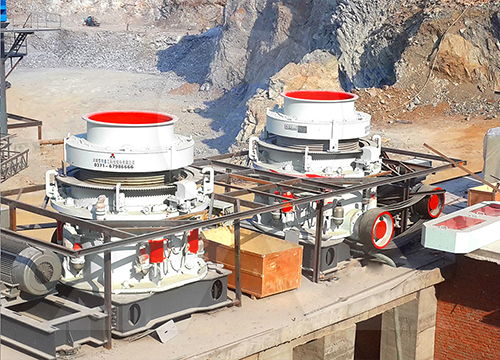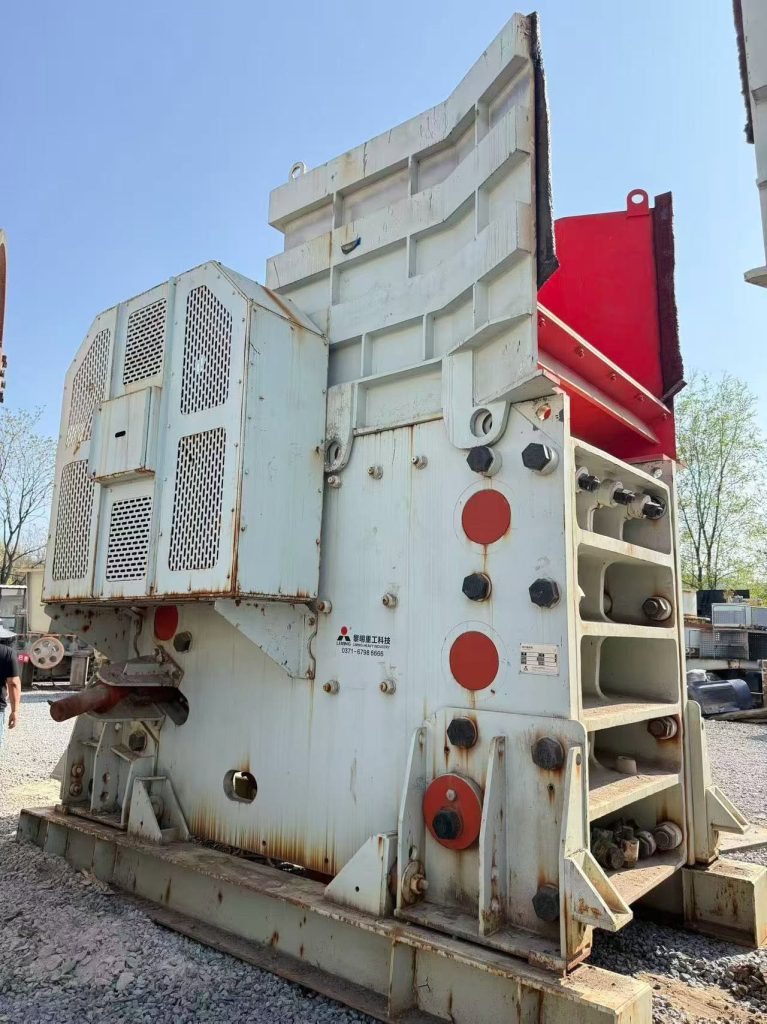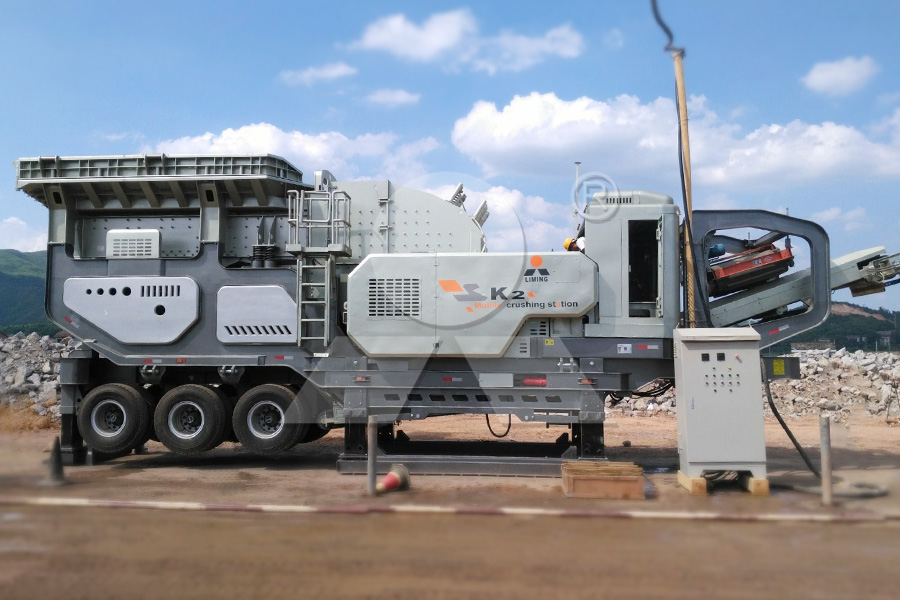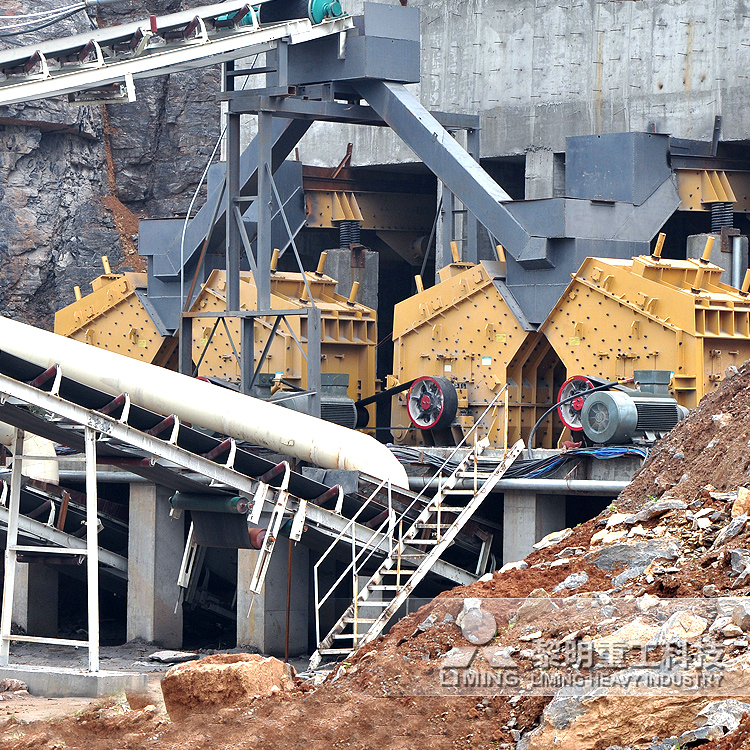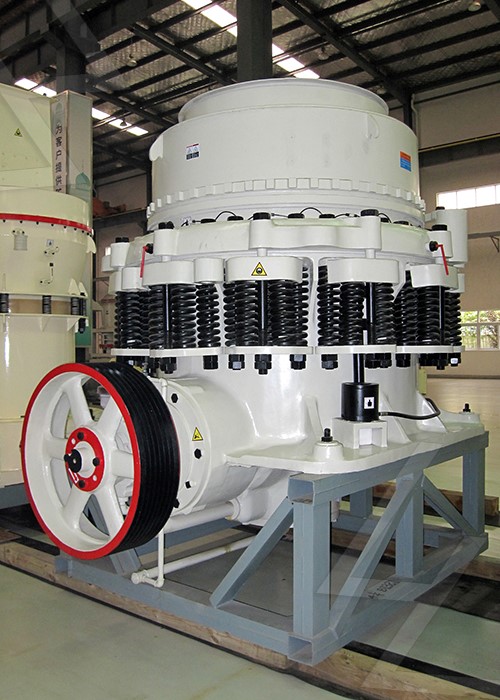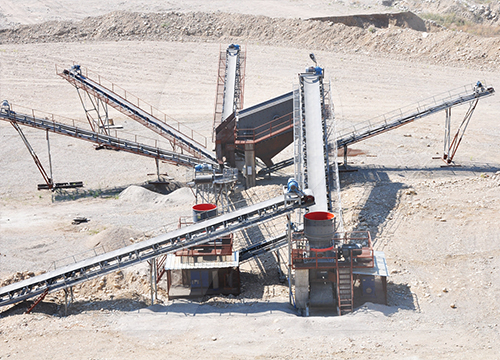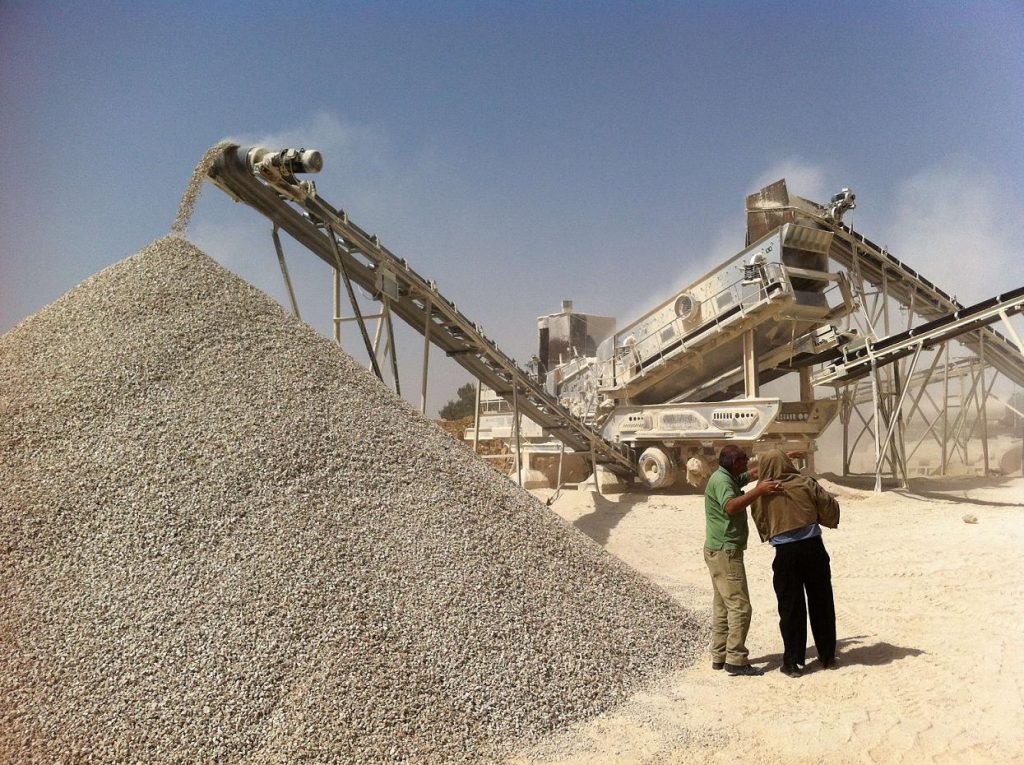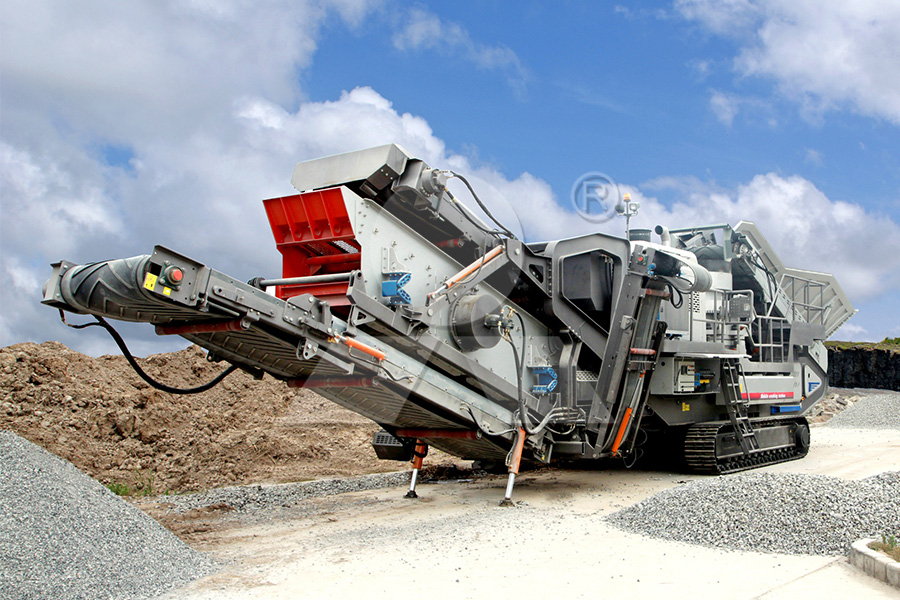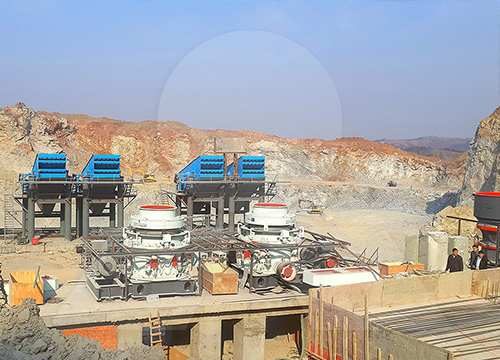
From the perspective of rock mechanics and industrial comminution, processing high-hardness basalt presents severe tribal strains on secondary and tertiary reduction machinery. Basalt, characterized by its dense cryptocrystalline matrix and high silicon dioxid…
Read More
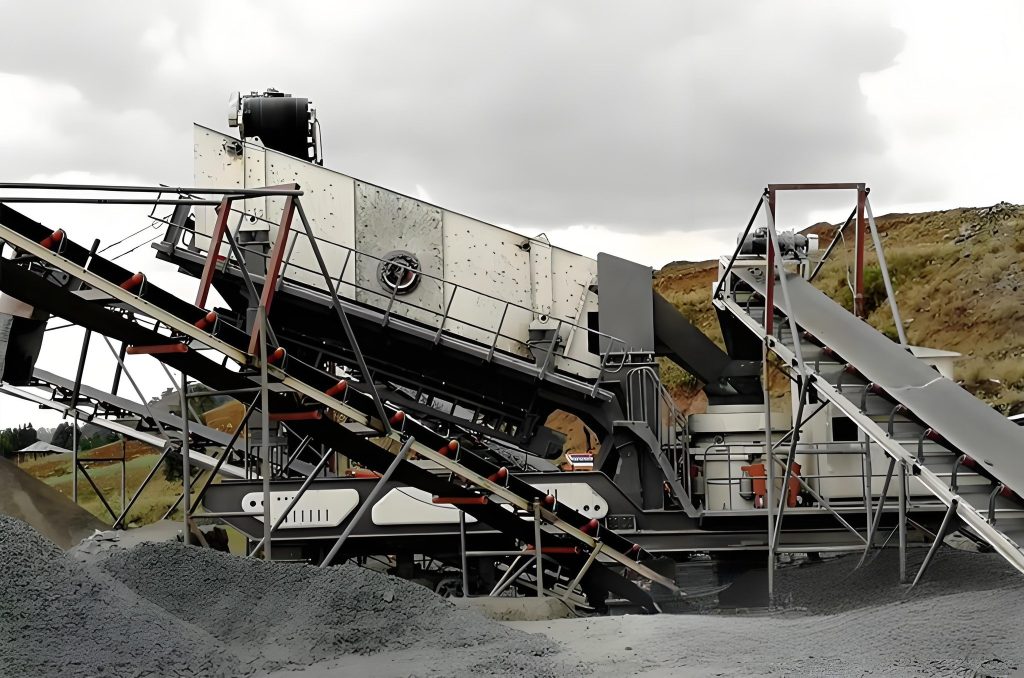
Designing a high-yield crushing production line in the Zambian Copperbelt requires more than just raw power; it demands a synchronized system architecture capable of handling highly abrasive, hard copper ore. As a Solution Architect, the goal is to eliminate b…
Read More
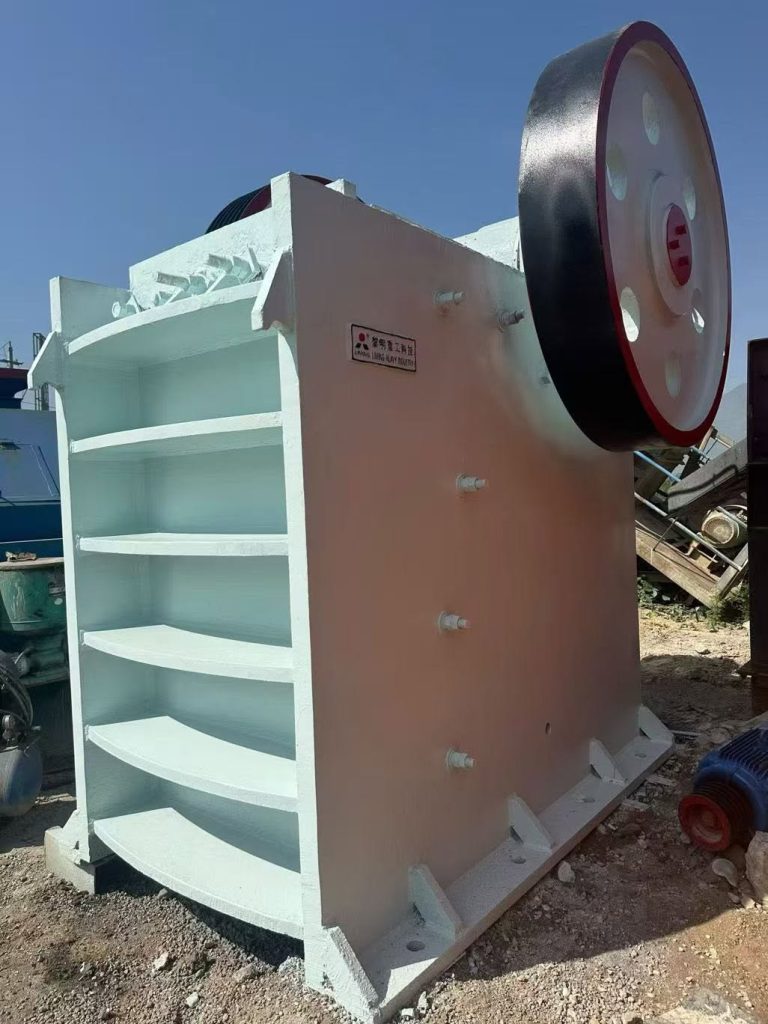
Synchronizing Multi-Stage Mass Flow for High-Silica River Gravel Mitigating the extreme abrasiveness of high-silica river gravel requires an exact volumetric balance between the primary tire-mounted jaw crusher and the secondary cone unit. This synchronization…
Read More
When it comes to aggregate production and mineral processing in Africa, the rules of the game are different. High infrastructure construction costs, highly dispersed mineral resources, and chronically unstable power grids turn traditional fixed production line…
Read More
In our recent metallurgic audits of high-abrasion copper porphyry deposits, we observed a critical failure in conventional reduction strategies. Operators relying on impact-based machinery experience catastrophic blow-bar degradation within 48 hours. The cryst…
Read More
Based on our recent urban demolition audits in high-density metro zones, exporting concrete rubble off-site accounts for nearly 40% of a project’s total carbon footprint. The heavy-duty diesel exhaust from continuous dump truck cycles creates severe envi…
Read More
As urban development accelerates, municipal environmental regulations are becoming increasingly restrictive. The fundamental challenge for contractors is processing demolition waste on-site without violating strict noise, dust, and spatial constraints. As a Co…
Read More
Based on our recent fiscal audits of mid-tier quarry operations, the biggest threat to capital payback velocity isn’t the upfront equipment price, but the hidden expenditure per shift caused by abrasive degradation. When evaluating a 100 tons per hour (t…
Read More
Based on our recent mass-balance audits of high-silica river gravel circuits, the biggest threat to profitability is not the upfront equipment price, but the hidden mechanical friction between incompatible crushing stages. River pebbles carry immense compressi…
Read More
Based on our 500 hours of site data tracking equipment in roadless outposts, the biggest threat to your payback window isn’t the upfront equipment price. It is the brutal reality of off-grid isolation. Waiting for a grid connection in a mountain quarry i…
Read More
Based on 500 hours of site data from 200MPa+ hard rock quarries, the biggest threat to operational viability isn’t the initial investment, but the hidden mechanical fatigue in the primary circuit. The high-frequency metallic ‘ping’ of high-qu…
Read More
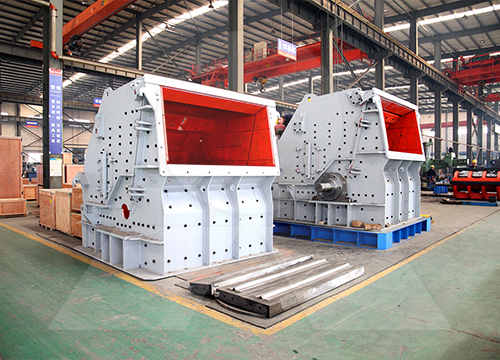
When designing a crushing plant for hard rock—such as granite, basalt, quartzite, or iron ore—the most critical decision involves the secondary and tertiary crushing stages. The industry typically debates between two powerhouses: the Cone Crusher and the Impac…
Read More