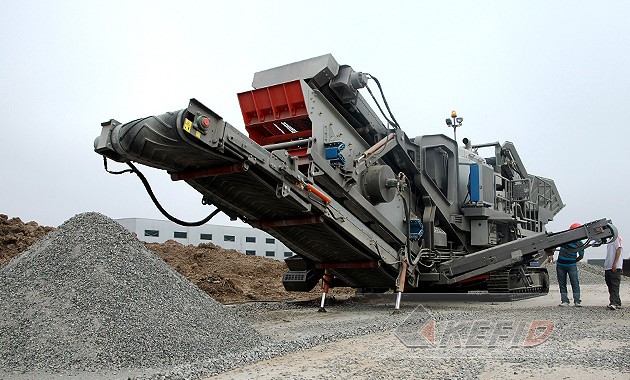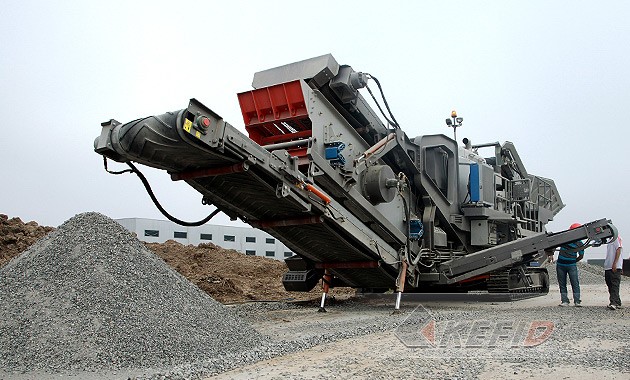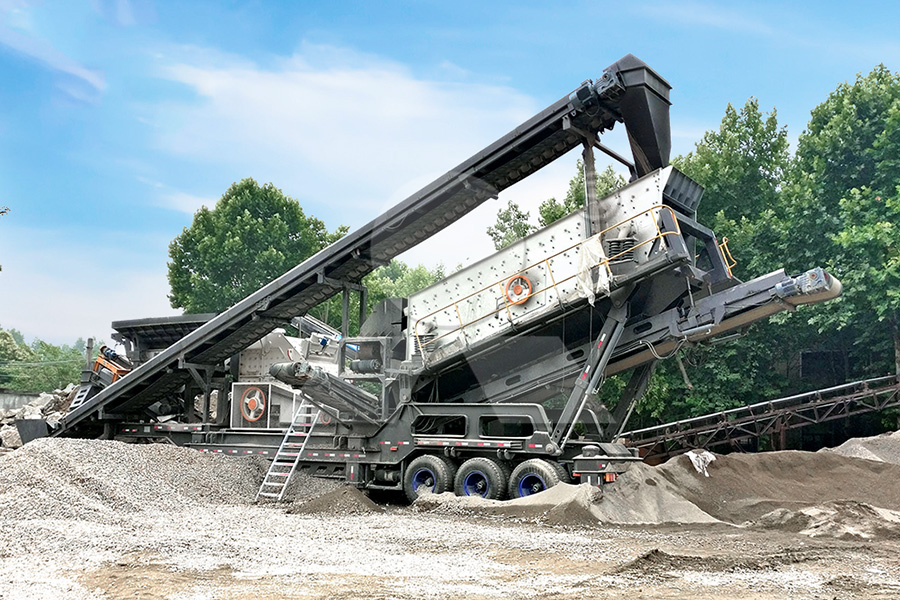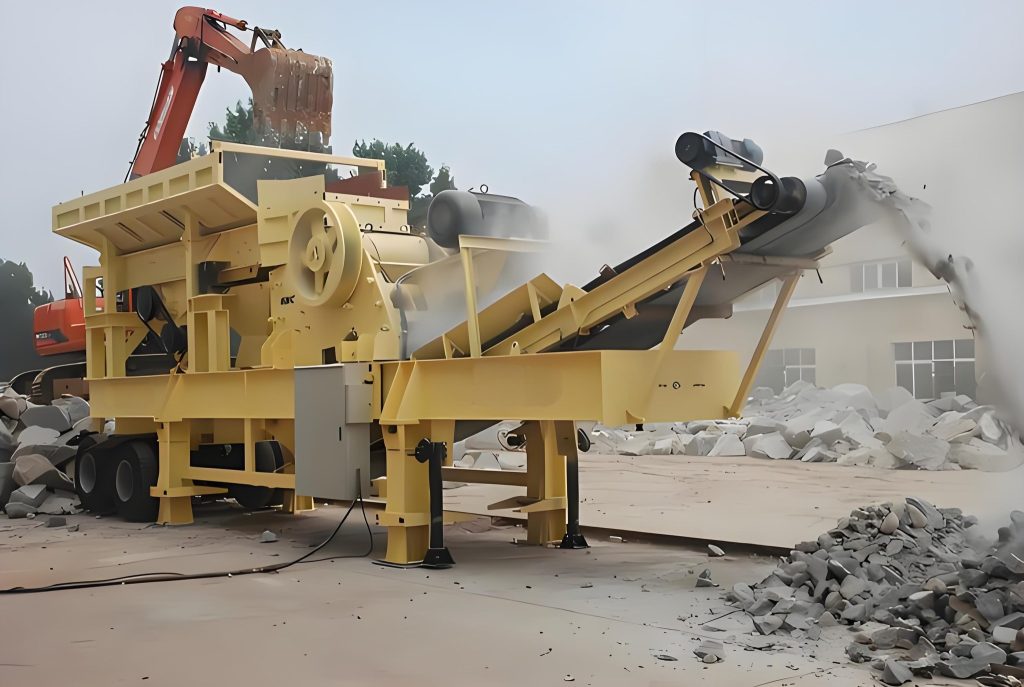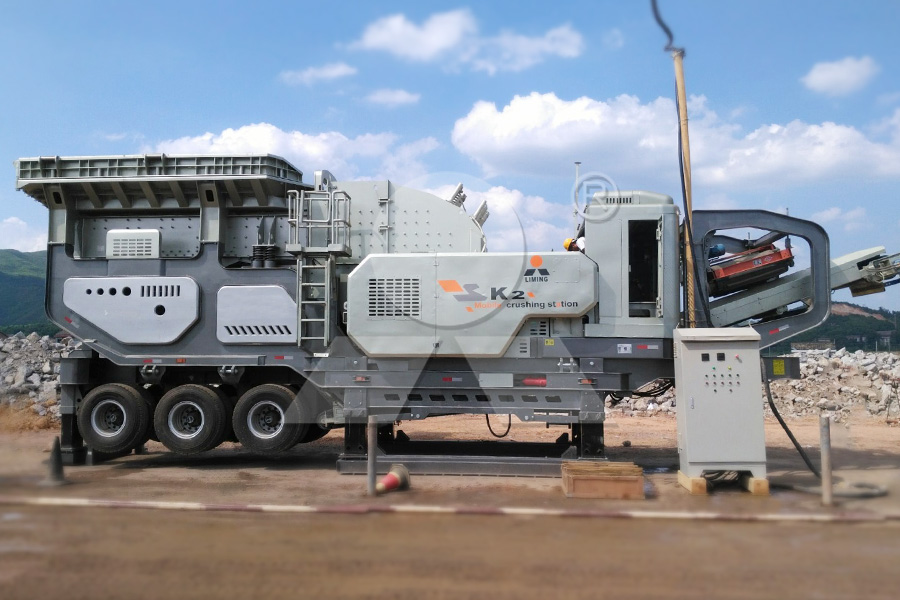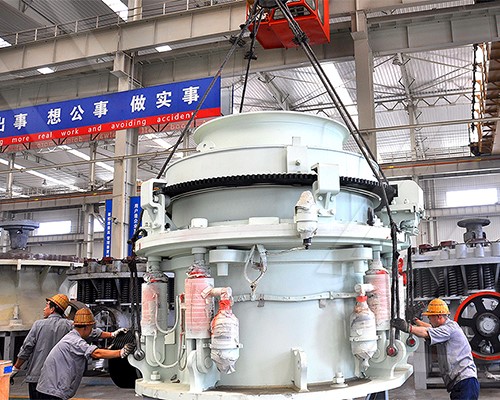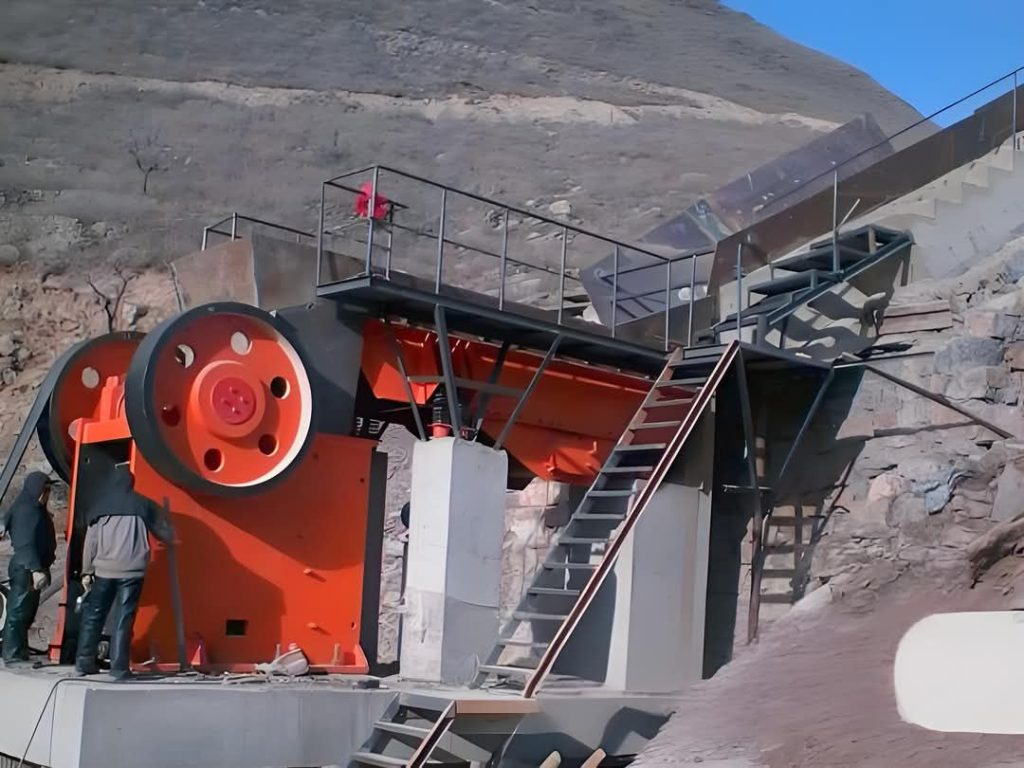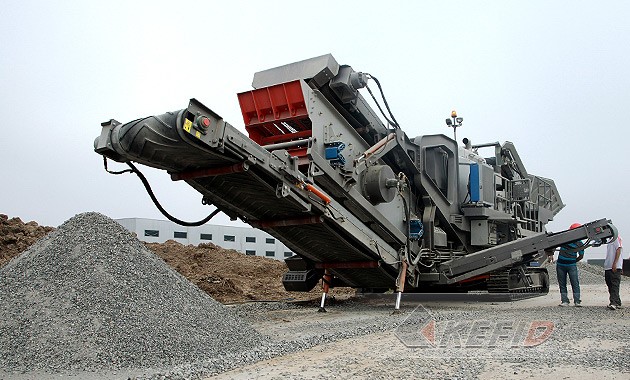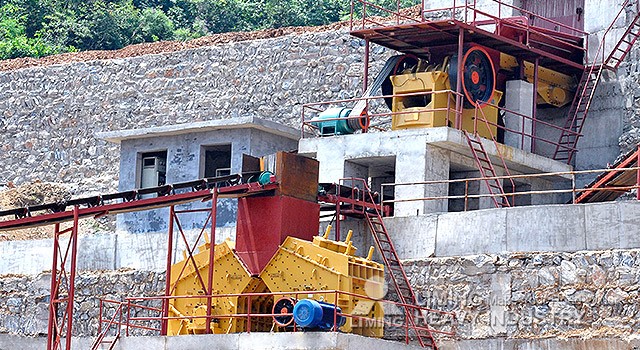
For contractors, small-scale miners, or developers handling projects with modest material requirements, the decision to invest in heavy equipment is never trivial. The conventional image of massive, stationary crushing plants seems mismatched for smaller, shor…
Read More
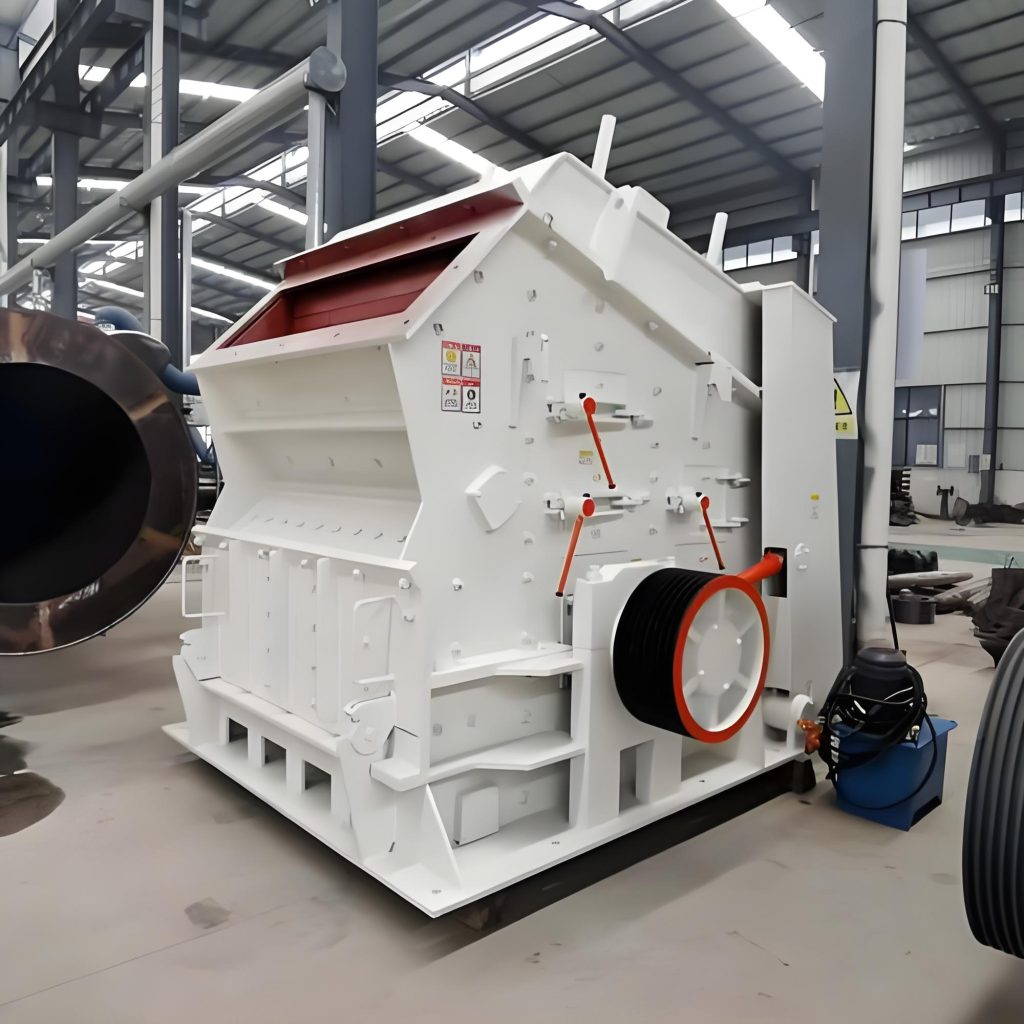
When selecting crushing equipment for aggregate production or material processing, matching the machine’s capabilities to the characteristics of the feed material is critical for efficiency and cost-effectiveness. The impact crusher, renowned for it…
Read More
The construction of modern highways demands a massive, consistent, and high-quality supply of aggregates, particularly engineered sand that meets strict specifications for concrete and asphalt mixes. Traditional supply models relying on distant, fixed quarries…
Read More
Processing rock with high silica content—such as quartzite, certain sandstones, granite, or highly silicified ores—represents one of the most severe challenges for any crushing equipment. Silica (SiO₂) is one of the most abundant and abrasive minerals on earth…
Read More
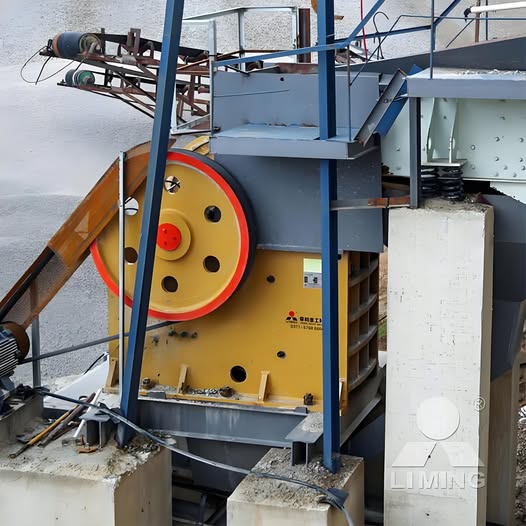
The jaw crusher is the undisputed workhorse of the primary crushing stage in the sand and aggregate industry. Its fundamental role is to provide the first and most critical size reduction, transforming large, raw feed from the quarry into a manageable product …
Read More
Within the aggregates and building materials industries, limestone stands as one of the most processed raw materials globally. The final stage of its size reduction—fine crushing—is critical for producing high-value end products like manufactured sand (artific…
Read More
In the dynamic fields of construction, demolition, and aggregate production, efficiency and flexibility are paramount. The mobile impact crusher has emerged as a transformative solution, combining the powerful reduction capabilities of impact crushing with unp…
Read More
Crushing rock materials with high clay content presents a significant challenge for aggregate producers and mining operations. Clay, when wet, becomes sticky and plastic, leading to severe operational issues that can cripple an entire crushing circuit. Attempt…
Read More
In modern aggregate production and mineral processing circuits, the fine crushing (or tertiary crushing) stage is critical for producing high-quality, specification-compliant end products. This stage demands equipment that can deliver precise particle size con…
Read More
In the mining and quarrying industries, the initial size reduction of hard stone materials such as granite, basalt, quartzite, and other high-strength aggregates presents a significant engineering challenge. This first stage, known as primary crushing, is crit…
Read More
In the highly engineered world of aggregate and mineral processing, the spotlight often falls on the primary crusher, cone crusher, or screen. However, the smooth and profitable operation of the entire crushing circuit hinges on a piece of equipment that opera…
Read More
In the aggregate and mining industries, selecting the right crusher for a specific material is crucial for operational efficiency and product quality. For limestone processing, one equipment choice stands out as exceptionally common and effective: the imp…
Read More